
Product recognition
Assesses size, shape, packaging and grasp difficulty.

Products in a warehouse vary widely in size, weight, shape, packaging and order frequency.
Using high-spec robots for everything drives up equipment cost and wastes capacity. Relying entirely on people makes it hard to meet targets for throughput, stability and scale.
AI identifies and layers products and tasks, allowing each execution unit to focus on the work it does best. The result is a more flexible and economical automated picking system.
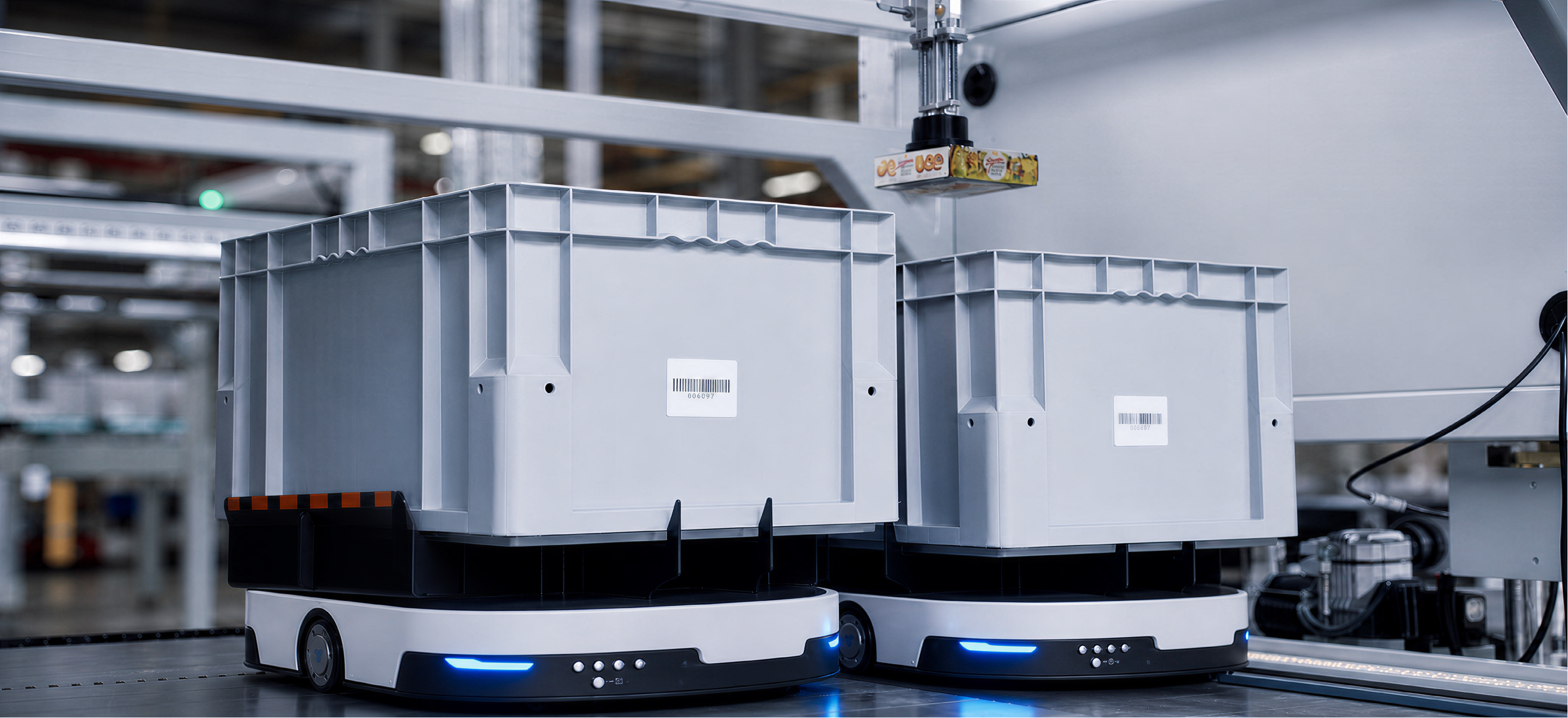
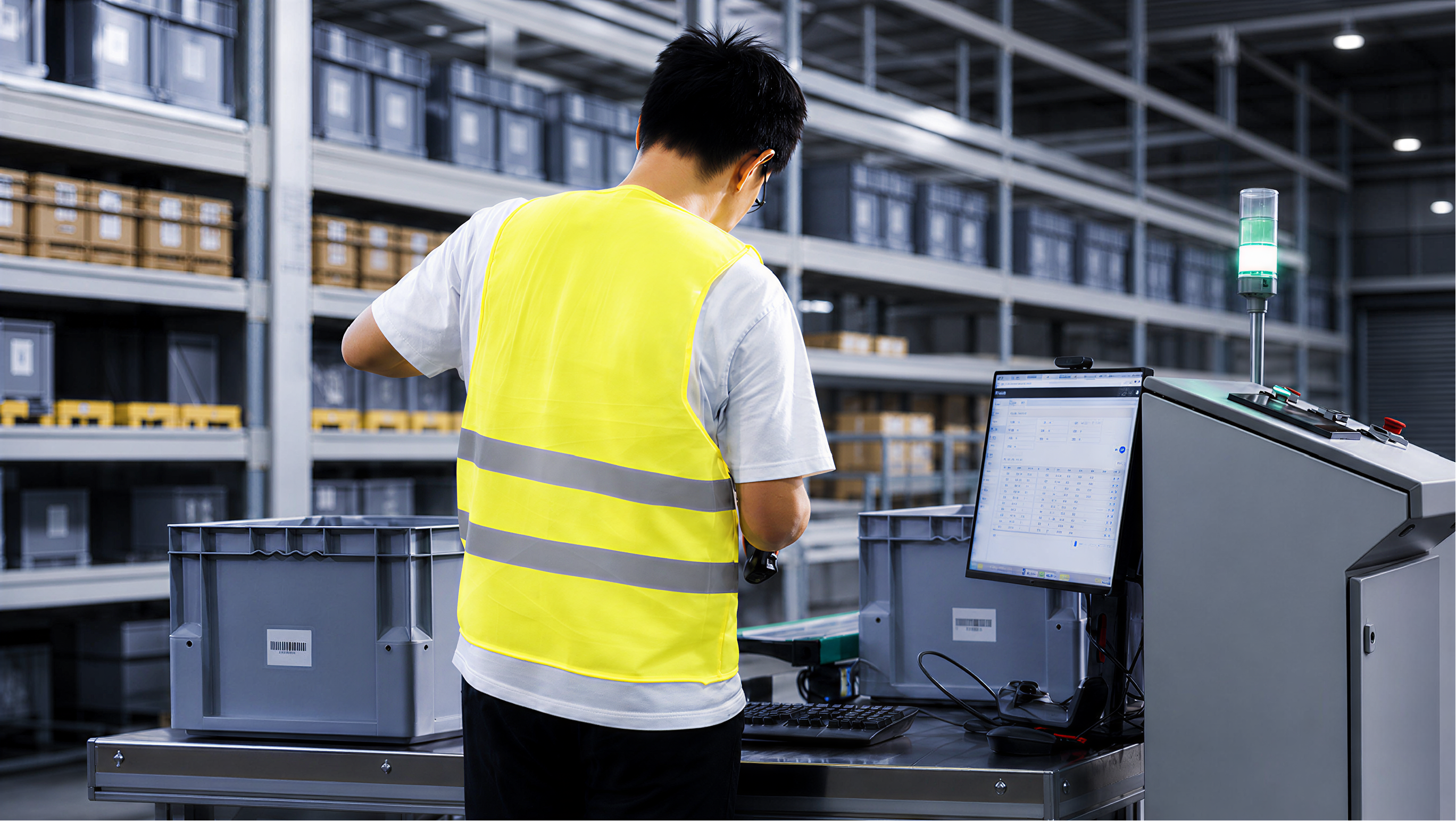
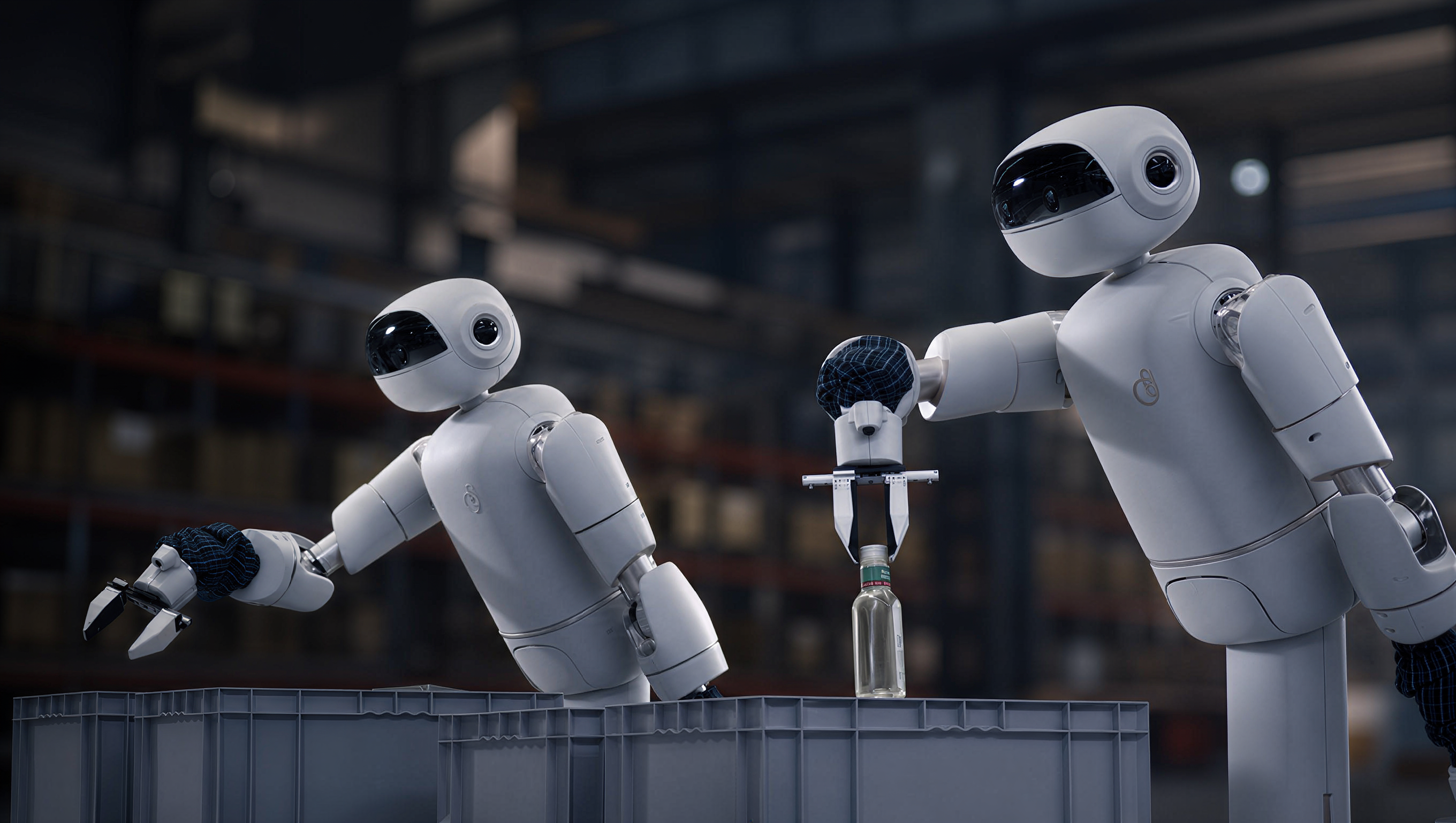
Rules-based, standard and easy-to-grasp products are handled by cost-effective robots for high-frequency picking.
Best for: standard packaging / high-frequency SKUs / regular cartons
Value: carries the main picking volume and maximizes automation ROI
AI decisions route every task to its optimal execution unit.Ferrata does not rely on fixed task-allocation rules.
The system combines SKU characteristics, order priority, equipment capability,
current load and execution history to judge and orchestrate every task:
Assesses size, shape, packaging and grasp difficulty.
Separates standard, complex and exception tasks automatically.
Assigns work to the most suitable robot or workstation based on live load.
Uses execution data to improve task strategy and equipment utilization.
Instead of asking one robot to solve everything,the whole system solves every task in the best possible way.
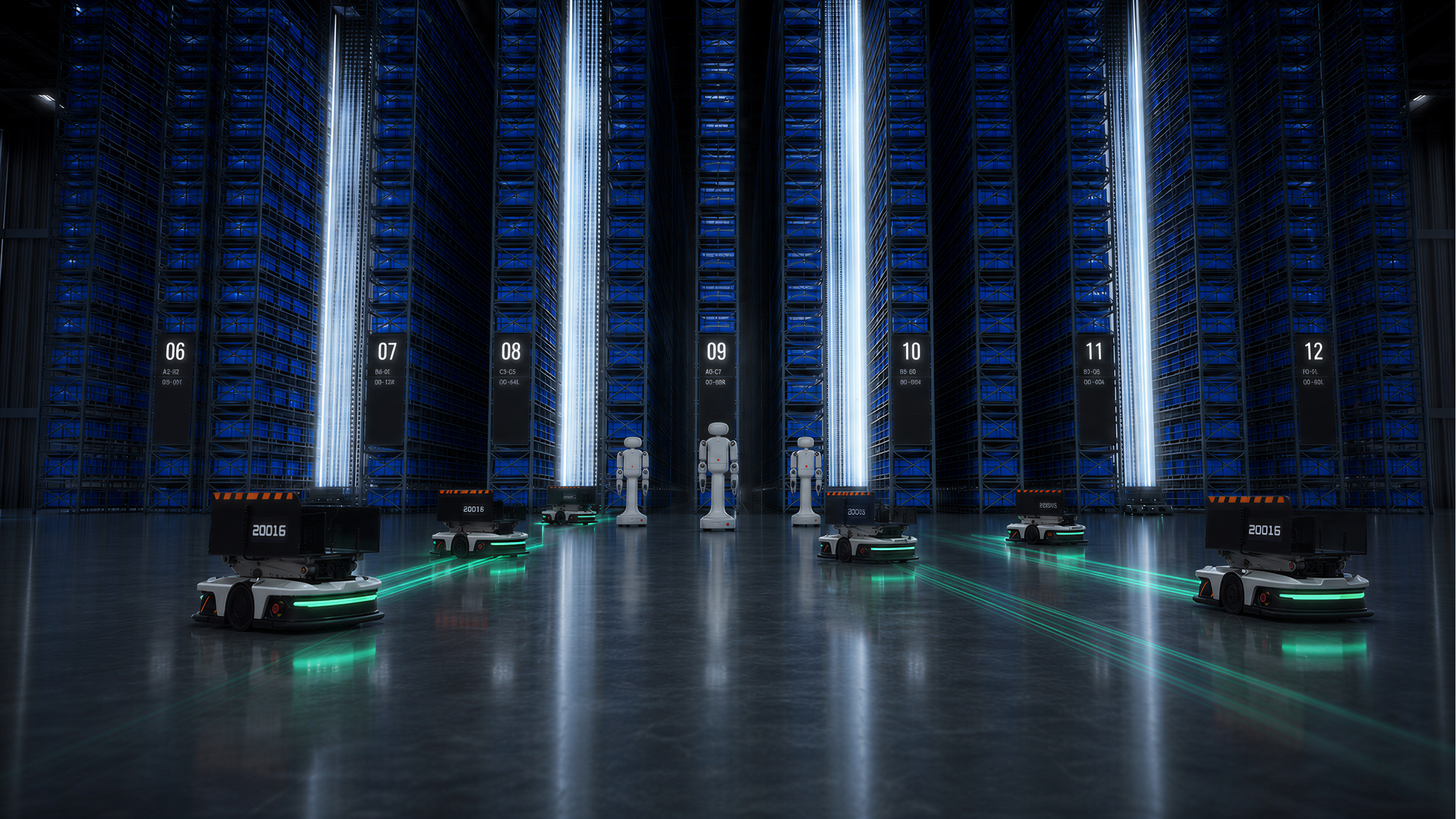
Robots with different capabilities work together across more SKU types.
Each asset focuses on the tasks it handles most efficiently.
Avoid over-provisioning costly equipment for a small number of complex items.
Adapt to new, irregular and changing products without redesigning the system.